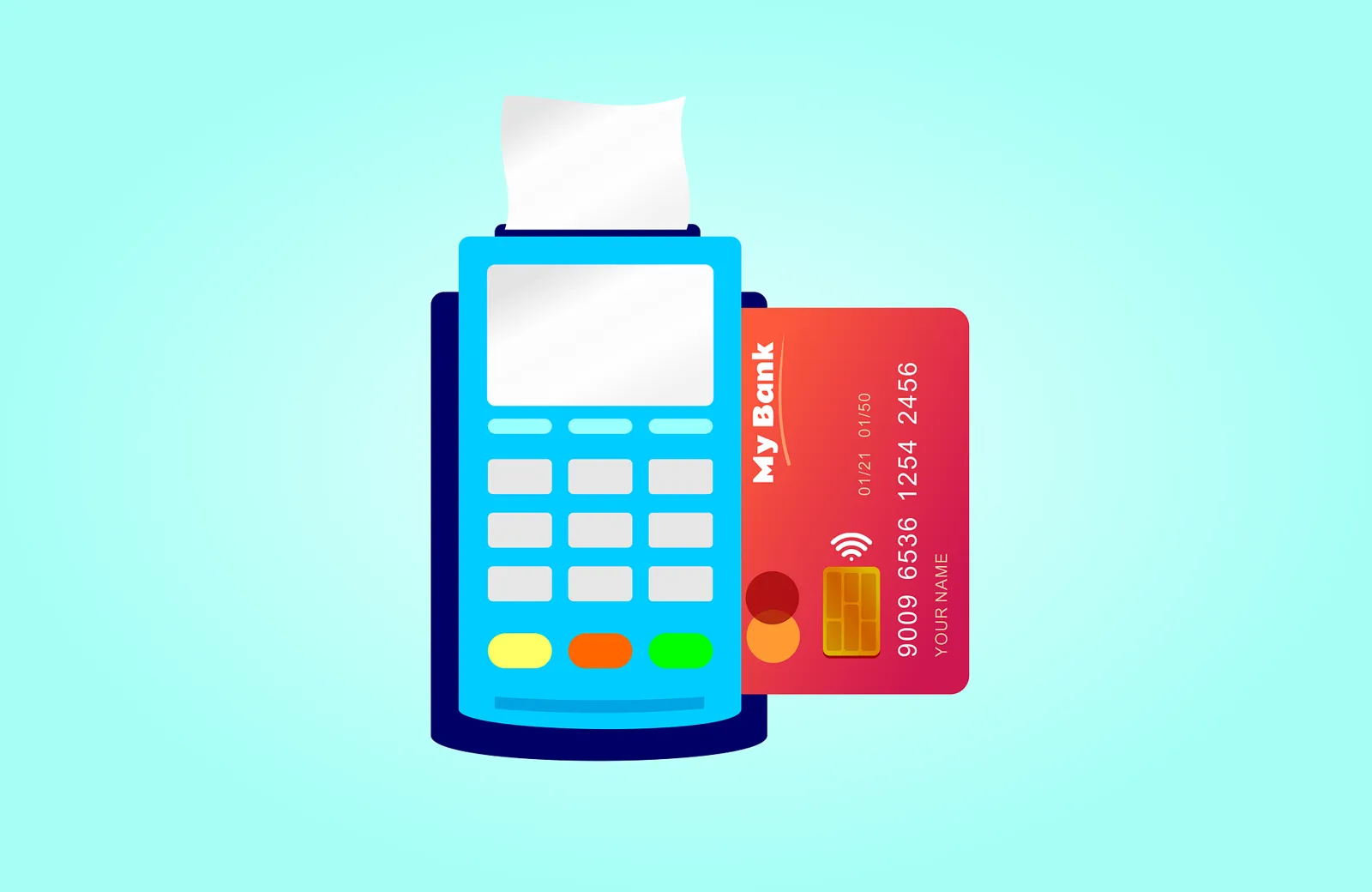
If you want to buy crypto with a Visa gift card, expect to be disappointed. The cards in supermarket racks, such as Vanilla Visa, are built for spending at American shops, not for funding exchange accounts. The major crypto platforms say so in their own rules, and the card programs add restrictions of their own. This page explains why a Visa gift card gets refused, what Vanilla’s official FAQ actually says about using its cards online, which parts of the popular “register your ZIP code” advice we could not confirm, and what you can do with a gift card you already own.
The short answer on Visa gift card crypto purchases
We checked the payment rules of the big exchanges and the payment widgets built into most wallets on 8 October 2026. None of the large ones accepts gift cards. Coinbase rejects prepaid and reloadable cards. Ramp’s help center lists prepaid and gift cards as not supported. Mercuryo’s Apple Pay article puts prepaid cards and gift cards on its rejected list. CEX.IO’s payment cards guide asks you to make sure your card is not a business, prepaid or gift card. Banxa’s documentation says prepaid cards are not supported.
Simplex is the one notable on-ramp that says it accepts prepaid cards, but it adds that card issuers may still decline, and the card must be enrolled in 3-D Secure and enabled for international transactions. A typical gift card fails one or both of those conditions. Paybis accepts prepaid cards only if they support 3-D Secure. For the provider-by-provider picture, see our list of crypto exchanges that accept prepaid cards.
What a Visa gift card actually is
A Visa gift card is a prepaid card loaded once with a fixed amount. You buy it with cash or a bank card, hand it to someone or keep it, and spend down the balance. Visa describes prepaid cards in general as cards that are not linked to a checking account and are pre-loaded with funds. Most gift cards are not reloadable, have no account holder on file when sold, and carry the cardholder name “Valued Customer” or nothing at all.
That design is deliberate, and it is shaped by regulation. In the US, FinCEN’s prepaid access rule excludes products of $1,000 or less from heavier money-services obligations, but only when they cannot be used internationally, do not allow person-to-person transfers and cannot be reloaded from a non-depository source. That is why US gift cards stop at American merchants and tend to cap out well below $1,000. The same features that make a gift card light on paperwork make it a poor fit for a crypto exchange, which has to know who is paying.
Gift cards also come with weaker protection. Visa says its Zero Liability policy does not apply to anonymous prepaid card transactions. If a crypto seller takes your gift card balance and never delivers, you may have little to fall back on. If you are comparing gift cards with real reloadable cards, our explainer on debit versus prepaid cards lays out the differences.
Why crypto platforms refuse gift cards
Four separate checks stand between a gift card and a crypto purchase. Passing one is not enough; a refusal at any stage ends the payment. We cover these checks in more depth in our main guide to buying crypto with a prepaid card, but here is how each one hits gift cards specifically.
The exchange’s own policy. Most platforms simply ban gift cards in their terms, as shown above. They have good reason: gift cards are a favorite tool of fraudsters and scammers, and chargebacks are hard to fight.
The quasi-cash code. Visa requires crypto purchases to use merchant category code 6051 or 6012 plus a quasi-cash indicator. Gift card issuers can block those codes with one rule, and since the product exists for shopping, many do.
Name and address matching. Kraken, Paybis and Ramp want the card in the same name as your verified account and an accurate billing address. An unregistered gift card has no name or address on file to match.
3-D Secure. The one-time passcode or app approval needs a phone number or banking app tied to the card. Many gift cards have neither, so the challenge cannot be completed. We consider this an inference from how 3-D Secure works rather than a published rule, but it fits what Paybis says: prepaid cards are accepted only if they support 3-D Secure.
How a typical Vanilla-style gift card compares with a personal debit card. Our reading of published rules.
● yes ◐ partly / some regions ○ no
Buying crypto with a Vanilla prepaid card: the specifics
Vanilla is the name most people mean when they search for “buy crypto with a Vanilla prepaid card” or “Coinbase Vanilla Visa”. The official FAQ on vanillagift.com is unusually clear about where the cards work. It says you can use a Vanilla Visa eGift card with any US merchant, and that you will only be able to shop with merchants based in the United States and the District of Columbia. Physical cards are for use within the United States. The cards cannot be used at ATMs or for recurring billing.
That geography rule is the quiet killer. Many crypto services and payment widgets process card payments through companies outside the US. If the merchant is not US-based, the Vanilla card declines regardless of the crypto rules. Even a US-based exchange then runs into its own gift card ban and the quasi-cash block.
The FAQ also warns that some types of transactions place a hold of up to 20% above the purchase amount. On a $200 card that means you might only be able to authorize around $166 at those merchants. Vanilla funds never expire, and the FAQ explains that the “Valid Through” date exists for fraud protection and online use. Buying a Vanilla card itself requires a US billing address, Hawaii addresses are not accepted, and New Mexico purchases are capped below $1,000 in 24 hours.
Costs add up before you even try. Retail listings we saw show a purchase fee of $3.94 on a $50 card at Walmart, and third-party reports put Vanilla’s one-time fees at roughly $3.84 to $6.84 depending on the denomination, with up to $500 per card. Those figures come from retailers and reviewers, not Vanilla’s official terms, so check the rack price yourself. On a $50 card, a $3.94 fee is close to 8% of the value gone before the crypto purchase is attempted.
We would not buy a gift card for the purpose of buying crypto. You pay a fee to get the card, the exchange almost certainly refuses it, and the leftover balance is awkward to use up. If someone gave you one, spend it at a US shop on things you were going to buy anyway, and use the money you saved to fund crypto from your bank account. It sounds roundabout, but it is the version that works.
Registering a gift card address: what we could and couldn’t verify
A common piece of online advice says you must register your name and ZIP code on the Vanilla balance website before a card will work online, and that this will also make it work for crypto. Here is what we can say from official sources.
Vanilla’s FAQ on vanillagift.com, under the question about shopping online, tells you to select “Credit” or “Debit” rather than “Gift Card” at checkout, enter the card details as you would for a credit or debit card, and fill in your name and address in the billing address section. It does not, in the version we read, describe a separate ZIP registration step.
The other official Vanilla site, onevanilla.com, blocks automated access, so we could not read its wording on registering a ZIP code. That means the ZIP-registration step is unverified on the official site. It may exist; we simply could not confirm it. Even if you do register a name and address, that only helps with the address check. It does nothing about Vanilla’s US-merchant rule, the exchange’s gift card ban or the issuer’s quasi-cash block.
What still works if you want crypto
There is no clever route around the gift card problem that we would recommend. What we can point to are better tools for each situation.
| Your situation | Better route | Why |
|---|---|---|
| You have a bank account | Personal debit card or bank transfer (ACH, SEPA) | Passes name, address and 3-D Secure checks |
| You prefer prepaid vouchers | Paysafecard via Paybis | Supported method; country availability not checked |
| You hold a reloadable prepaid card | Register it, enable 3-D Secure, try Simplex or Paybis | Only providers that publish prepaid acceptance |
| You already hold crypto | Spend it with a crypto card | No need to buy more just to spend |
If you have a bank account, the answer is short: use a personal debit card or a bank transfer. CEX.IO, which has operated since 2013, is one example of an exchange that accepts Visa and Mastercard debit and credit cards in your own name, Apple Pay, Google Pay and bank transfers like ACH and SEPA, while explicitly advising against prepaid and gift cards. It is registered with FinCEN as a money services business (NMLS 1804170) and holds state licenses in about 39 US jurisdictions, though not New York or California. It does not serve Canada or India, and EEA visitors currently see a MiCA service notice, so check availability where you live before you sign up.
Interested in the opposite direction, converting crypto into a gift card or a prepaid Visa you can spend? That works far better, and we compare the services in our guide to buying a prepaid card with crypto. Be aware, though, that a prepaid Visa bought with crypto has the same restrictions as any gift card. Bitrefill’s terms for its US Digital Prepaid Visa, for example, rule out money transfers and buying other gift cards, so it is not a way back into crypto either. Our Bitrefill review covers those terms.
Already have a Visa gift card? What to do with it
Spend it on ordinary purchases at US merchants. Check the balance first, and remember that restaurants, gas stations and similar merchants may place a hold above the bill, so a card with a small balance can decline even when it seems to have enough. If an online shop asks for a billing address, follow Vanilla’s instructions and enter your own name and address.
Avoid anyone who offers to “buy” your gift card balance for crypto through a chat app or marketplace. Gift card scams are common, and once you share the card number and security code the balance can vanish within minutes. Our crypto card safety guide lists the red flags. And if what you really want is a card that spends crypto, skip gift cards entirely and look at a proper crypto prepaid card, or see which options exist with minimal paperwork on our no-KYC cards page, which is honest about the legal limits. US readers can also check the USA country guide for cards available in their state.
Frequently asked questions
Can I buy crypto with a Visa gift card?
Does Coinbase accept Vanilla Visa gift cards?
Do I need to register my Vanilla gift card before using it online?
Why does my Visa gift card work in shops but not on crypto sites?
Sources and official pages
- Vanilla Gift — FAQ
- Coinbase Help — add a payment method troubleshooting
- CEX.IO Support — Payment Cards Guide
- Ramp Network — What made my card check fail?
- Mercuryo Help — How do I pay with Apple Pay?
- Visa — Prepaid cards
- FinCEN — Prepaid access final rule
Gift card for shopping, bank card for crypto.
A personal debit card or bank transfer is the reliable way to fund a crypto purchase.
Buy cryptoExchange running since 2013 · registered with FinCEN (US) and the FCA (UK) · card, Apple Pay or bank transfer