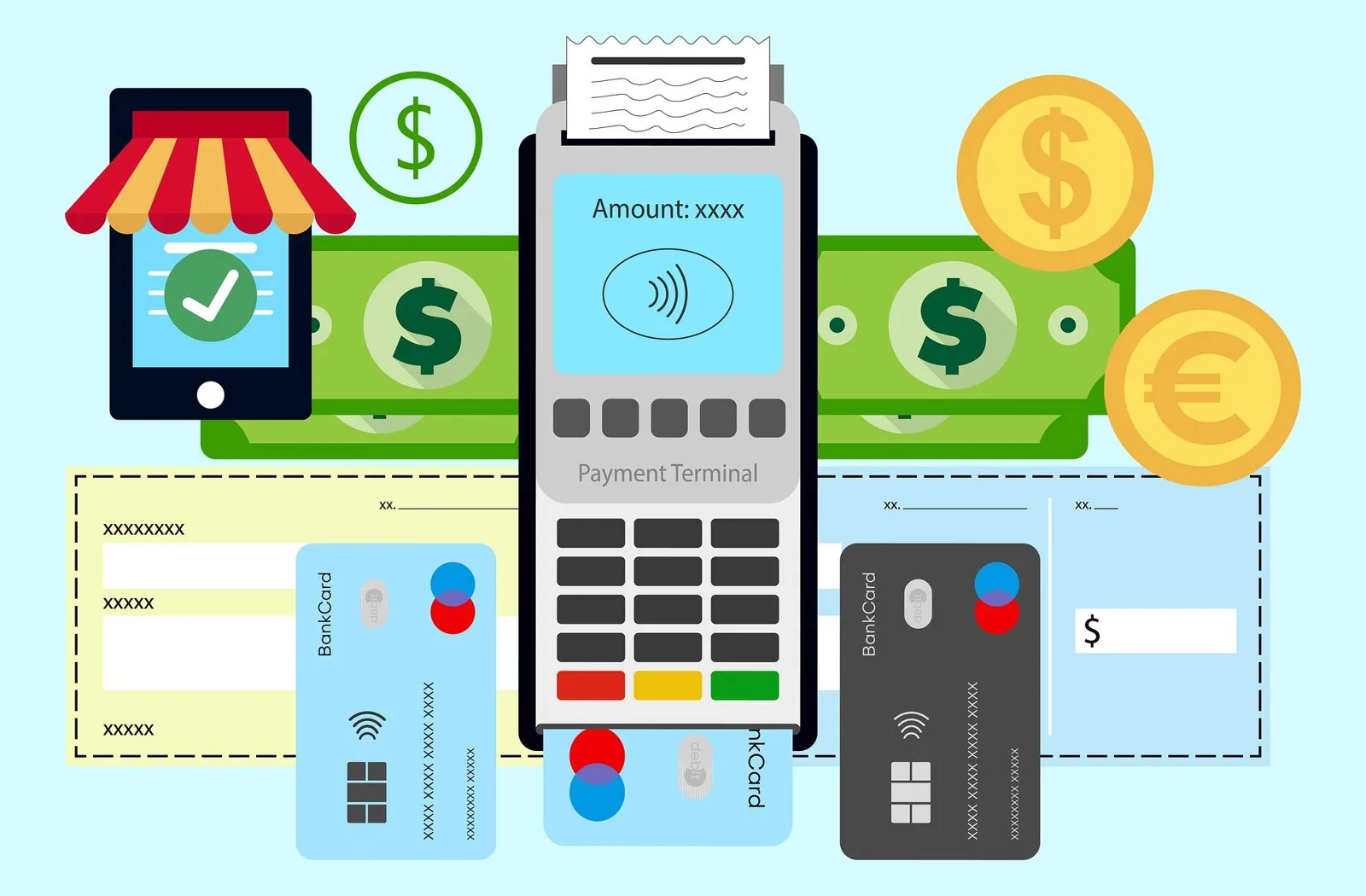
What is a crypto prepaid card? It is a normal-looking Visa or Mastercard that you fund with crypto rather than with a salary. You can tap it at a terminal, add it to a phone wallet or type its number at an online checkout. The shop gets paid in dollars, euros or pounds, and never sees a single coin. Somewhere between your wallet and the till, a regulated company turns your crypto into money the card networks understand.
That hidden middle is what this guide is about. Most articles stop at “it converts crypto to fiat.” That is true, but it skips the parts that affect you most. Who actually issues the card? What is your balance in legal terms? Is your Bitcoin sold when you top up, or only when you pay? And what happens if one of the companies in the chain walks away? Once you understand these moving parts, comparing cards gets much easier. You will also spot a weak product quickly.
How does a crypto prepaid card work?
Strip away the branding and every card follows the same basic path. You hold crypto with a provider, or in your own wallet. At some point that crypto is sold for fiat. The fiat sits in a balance that the card can draw on. When you pay, the merchant’s terminal asks the card network whether the payment is approved. The network passes the question to the issuer, the issuer checks your balance, and the answer travels back in a second or two.
The diagram below shows the full journey for a typical card. Each box is a separate company or system, and each can add a fee or a rule.
- Your cryptoBTC, ETH or stablecoins in an app or wallet
- ConversionSold for fiat at top-up or at the till
- Card balanceE-money or a bank-held fiat balance
- IssuerLicensed bank or EMI that owns the BIN
- Visa / MastercardRoutes the authorization
- MerchantPaid in local currency
A plain prepaid gift card from a supermarket uses the last four boxes only. What makes a crypto card “crypto” is the first two: where your coins live, and when they become money. The rest is ordinary card plumbing, the same plumbing that runs any card in your wallet.
Who is involved: brand, issuer, BIN sponsor and network
The name on the front of the card is rarely the company that issues it. Crypto firms usually act as the program manager. They build the app, handle sign-up and market the product. The card itself is issued by a bank or e-money institution that holds a membership with Visa or Mastercard. That institution owns the range of card numbers, called the BIN, and takes legal responsibility for the cards issued under it.
When the issuer lets a fintech run a program on its BIN, it is often called a BIN sponsor. The sponsor gives network access and settlement, and it oversees compliance. The fintech brings the customers. A third type of company, the issuer-processor, handles authorizations and card management in the background. You will see the same few names behind many crypto cards: Rain is a principal member of both Visa and Mastercard, and Monavate issues cards for several wallet brands.
You can usually find the issuer in the footer of the card page or in the cardholder terms. Here is what we found on official pages for a few well-known programs.
| Card | Issuer named by provider | Network | Type of institution |
|---|---|---|---|
| Crypto.com (EEA) | Foris MT Limited | Visa | Maltese e-money issuer, Visa principal member |
| Coinbase Card (US) | Pathward, N.A. | Visa | US bank, Member FDIC; processing by Marqeta |
| Nexo Card | DiPocket UAB | Mastercard | Lithuanian e-money institution |
| SpectroCoin | UAB Pervesk | Visa | EMI licensed by the Bank of Lithuania |
| Bitrefill Prepaid Visa | Sutton Bank | Visa | US bank; fulfilled by Perfect Gift, LLC |
Why should you care? Because the issuer decides whether your card keeps working. If a crypto brand loses its issuer, the app may still open, but the card stops working. A clearly named, regulated issuer is one of the best signs that a program is legitimate. Cards sold through chat groups that refuse to name any issuer are a red flag. Our crypto card safety guide goes deeper into that check.
E-money: what your balance legally is
In the EU and the UK, most crypto prepaid cards are e-money products. When you top up, your fiat becomes electronic money issued by an e-money institution, or EMI. EMIs must safeguard customer money. In practice this means keeping it separate from their own funds, often in a ring-fenced bank account. But e-money is not a bank deposit. Crypto.com’s UK page says this plainly: the card is provided by an FCA-authorised EMI, funds are safeguarded, and they are not covered by the Financial Services Compensation Scheme.
In the United States the picture is different. Cards are issued by chartered banks, and some providers hold USD balances at a bank with pass-through deposit insurance. Uphold, for example, says customer USD sits at Cross River Bank, Member FDIC. That protection covers the dollars only. Crypto is not FDIC- or SIPC-insured anywhere. Any coins you keep in the provider’s app before conversion are simply a claim on that company.
This is why the conversion point matters so much, as the next section shows. On a true prepaid card, your exposure to the crypto company ends once the coins are sold into the card balance. On a spend-from-balance card, your coins stay with the provider until the moment you pay.
When crypto becomes money: at top-up or at the till
This is the single most useful idea in this explainer. There are three common designs, and they behave very differently.
Convert at top-up (classic prepaid). You move value into a separate card balance first. Crypto.com is the clearest example. Its EEA terms say cardholders cannot load cryptocurrency onto the card itself. Any crypto you use for a top-up is converted to fiat on the way in. After that, the card behaves like any prepaid card. A coffee costs exactly what the receipt says, whatever Bitcoin does that afternoon. The trade-off is that your fiat sits idle, and you pay any conversion cost up front.
Convert at the till (spend card). The card has no balance of its own. When you pay, the provider sells just enough of your crypto from your exchange account. Bybit’s FAQ says its card “does not have its own wallet balance.” It draws on your Funding Account in a default order: USDT first, then USDC, then other assets. OKX’s European card does the same with USDC and USDG, converting to euros at purchase for a 0.1% spread. Most cards marketed as crypto “debit” cards work this way. It feels smoother, but every swipe is a fresh sale of crypto.
Convert from your own wallet (self-custody). A newer group of cards authorizes payments from a wallet that you control. MetaMask describes its card as keeping your funds under your control until the moment of payment. A smart contract releases the exact amount needed, usually in stablecoins, when the issuer approves the transaction. You keep your keys, though you still pass ID checks and depend on the issuer. We cover the options in self-custody crypto cards.
The design you choose shapes your costs, your price risk and even your tax position. In many countries, paying from crypto counts as a disposal. A card that sells crypto on every swipe can therefore create a taxable event with each coffee. A fiat-funded prepaid balance does not, because the disposal already happened at top-up. Our crypto card tax guide explains how that plays out by country.
What happens on the Visa or Mastercard rails
Once the money is fiat, the network does what it always does. Your card number tells the terminal which network to use. The network routes an authorization request to the issuer. The issuer checks your balance, fraud rules and any blocked merchant types, then approves or declines. Clearing and settlement follow later, moving money from the issuer to the merchant’s bank. To the merchant, a crypto card payment looks identical to any other prepaid or debit payment.
The networks have also started using crypto behind the scenes. Visa launched USDC settlement in the United States in December 2025, with Cross River Bank and Lead Bank settling over the Solana blockchain. Visa stresses that this happens without any change to the consumer card experience. Visa reports more than 160 stablecoin-linked card programmes. Mastercard runs a Crypto Partner Program with more than 100 firms. In June 2026 it added stablecoin settlement support for USDC, PYUSD, USDG, USDP, RLUSD and SoFiUSD.
Do not confuse that back-end settlement with your card being “crypto-funded.” Settlement is a deal between the issuer and the network. It may make programmes cheaper to run, but it does not change how your balance works or which fees you see.
One network rule does matter to cardholders. Visa’s merchant standards require crypto purchases to be flagged with specific merchant category codes and a quasi-cash indicator. Issuers can see those flags and block them. That is one reason why using a prepaid card to buy crypto so often fails, even when the same card works fine at a supermarket.
What a crypto prepaid card solves, and what it doesn’t
As a solution, a crypto prepaid card is good at one job: letting you spend crypto anywhere cards are accepted, without selling it to a bank account first and waiting days for a transfer. It suits people who are paid in stablecoins and travelers who want to spend abroad from a USDC balance. It also suits anyone who wants a spending wallet kept apart from their main bank. Virtual cards can be issued within minutes and added to Apple Pay or Google Pay, which makes them handy for online shopping.
It does not solve everything. Prepaid card numbers are easy for merchants to identify, and some of them decline prepaid cards. Subscriptions, car rentals, hotels and money-transfer apps are the usual problem spots. Visa’s own prepaid page notes that some prepaid cards carry fewer consumer protections than debit cards. Its Zero Liability policy also excludes anonymous prepaid card transactions.
Costs are the other catch. Between the conversion spread, foreign exchange margins, ATM charges and plan fees, the real price of a payment can be several percent. None of this is visible at the till. We break every fee type down in crypto card fees, with a calculator you can run against your own spending.
When cards stop working: the issuer chain in practice
Because each card relies on several companies, a problem at any link can end the product. The last few years have produced plenty of examples. BitPay’s US prepaid Mastercard ended in June 2023 after its issuing bank stepped back from crypto. The CEX.IO Card was discontinued on 3 February 2026, after the Polish regulator KNF withdrew the authorisation of its partner Quicko. CEX.IO continues as an exchange, and has been running since 2013. In 2026 we also logged the Solflare card being paused in July after its issuer, Kulipa, wound down. Cypher cancelled all cards on 8 August 2026, and Gnosis Pay announced in September 2026 that it would wind down its direct-to-consumer service.
The pattern is consistent. When an issuer exits, cards stop working first, and balances are refunded or migrated later. With self-custody designs the damage is smaller. Solflare users kept their funds because the stablecoins never left their wallets. With custodial and prefunded cards, your money sits with the provider until it is returned.
Before we look at cashback or card designs, we look for one line in the terms: the name of the issuing institution and its licence. If a provider cannot or will not say who issues its card, we don’t recommend it, however generous the rewards look. The second check is the conversion point. We keep only small working amounts on spend-from-balance cards, and we top up prepaid balances in amounts we expect to spend within weeks, not months.
How to read a card’s small print in five minutes
You don’t need to be a payments expert to judge a crypto card. Open the provider’s card page and terms, and look for five things. First, the issuer and where it is licensed. Second, the network, Visa or Mastercard, and whether that matches your region. Third, how the card is funded: a separate prepaid balance, a live exchange balance or your own wallet. Fourth, the fee table, especially conversion, foreign exchange and ATM charges. Fifth, the limits for your verification level. Our guide to crypto card limits shows how widely these vary.
If you are still deciding between formats, our comparison of crypto debit vs prepaid cards sets out the trade-offs side by side. When you are ready to fund a card, how to load a crypto prepaid card walks through each top-up method. To see which cards are actually live right now, start with our card reviews. Every review names the issuer and links to the official pricing page.
A crypto prepaid card is not magic, and it is not a bank account. It is a regulated payment card bolted onto a crypto balance. Choose one whose issuer you can name, whose conversion point you understand and whose fees you have read. Then it can be a simple, useful bridge between the coins you hold and the things you want to buy.
Frequently asked questions
What is a crypto prepaid card in simple terms?
How does a crypto prepaid card work when I tap it in a shop?
Is my balance on a crypto prepaid card protected like a bank deposit?
Do I need to verify my identity to get one?
Sources and official pages
- Visa — Prepaid cards (how they differ from debit and credit)
- Mastercard — Prepaid cards
- Crypto.com — Card terms for the EEA (issuer and top-up rules)
- Coinbase — Coinbase Card (issuer and funding)
- Bitrefill — Digital Prepaid Visa (USA) terms
- Visa — USDC settlement launch in the United States (Dec 2025)
- EUR-Lex — Directive (EU) 2018/843 (AMLD5) prepaid thresholds
Load your card with crypto you own
Buy Bitcoin, Ether or stablecoins with a bank card, Apple Pay or bank transfer, then move them to the card or wallet you choose.
Open accountExchange running since 2013 · registered with FinCEN (US) and the FCA (UK) · card, Apple Pay or bank transfer