Independent guide · 23 cards tracked · checked October 2026
Best crypto prepaid cardsThe safest prepaid crypto cards guide
We compare crypto prepaid, debit and stablecoin cards on what actually costs you money: conversion spreads, FX, ATM fees and limits. We also check who issues each card, who holds your coins and where you can get it. Closed and paused cards are included, so you can see which ones to avoid.
Exchange running since 2013 · registered with FinCEN (US) and the FCA (UK) · card, Apple Pay or bank transfer
- 23cards tracked, including 6 closed or paused
- 10country guides with local rules and tax
- €150EU cap on anonymous prepaid e-money
- 0–3%typical FX fee range we found
Spending crypto by card is easy. Picking the right card is not.
A crypto prepaid card does one simple job: it turns the coins you hold into money a shop can accept. You tap at a terminal or type your card number online, and the provider sells a slice of your Bitcoin, Ether or stablecoins and settles in local currency through Visa or Mastercard. The merchant never sees crypto. From the outside it looks like any other card payment.
The hard part is everything you can’t see at the till. Two cards with the same Visa logo can cost very different amounts. One charges a 0.9% conversion spread and 2% FX abroad. Another adds nothing but the network rate, and a third takes a monthly plan fee. Some cards are truly prepaid: you load a separate balance first. Others sell your crypto at the moment you pay. Some keep your coins on an exchange, while self-custody cards leave them in your own wallet until the payment is made. And some cards simply stop existing. In 2026 alone we logged the closure of the CEX.IO card, Cypher and the Solflare card, plus the wind-down of Gnosis Pay’s consumer product.
So we built this site the way we would want to read it before applying. Each card has a status label. Each fee comes from the provider’s own pricing page. Every table links to the official site, so you can check our numbers yourself. When a number couldn’t be confirmed, we say so instead of guessing.
Most people ask us which card has the highest cashback. We usually ask a different question: which card will still work, at a fair price, in the country where you actually spend? A 5% reward capped at €10 a month matters less than a 3% FX fee on every holiday purchase. Start with availability and fees. Rewards come last.
Top 10 crypto prepaid & spend cards
Scored on fees (30%), availability (20%), limits (15%), custody and issuer quality (20%) and features (15%). See how we rate.
| Card | Network | Type | Custody | FX fee | ATM | Where | Score | Links |
|---|---|---|---|---|---|---|---|---|
| 1Crypto.com Card | Visa | Prepaid | Custodial | 0–3% by tier/region | Free €200–€1,000/mo, then 2% | EEA, UK, US, Canada, Australia | 8.6 | Review Official site ↗ |
| 2Bybit Card | Mastercard / Visa | Spend card | Custodial | 0.5–2% (AR 7%) | 2% after free allowance | EEA, AU, BR, MX, AR, PE, GE, KZ, APAC | 8.3 | Review Official site ↗ |
| 3KAST Card | Visa | Spend card | Custodial | 0.5–1.75% | $3 + 2%, $750/day | 170+ countries (not India) | 8.1 | Review Official site ↗ |
| 4Nexo Card | Mastercard | Debit / credit | Custodial | 0.2% weekdays / 0.7% weekends | Free €200–€2,000/mo, then 2% | EEA, UK, selected Europe | 8.0 | Review Official site ↗ |
| 5RedotPay Card | n/d | Spend card | Custodial | 1.2% | 2% (3% above $10k/mo) | 100+ countries (not US) | 7.6 | Review Official site ↗ |
| 6MetaMask Card | Mastercard | Spend card | Self-custody | Mastercard rate, no MetaMask fee | $1,000–$5,000/day | 40+ countries; US/UK sign-ups paused | 7.9 | Review Official site ↗ |
| 7OKX Card | Mastercard | Spend card | Custodial | No OKX FX fee | n/d | EU + Norway | 7.8 | Review Official site ↗ |
| 8Bleap Card | Mastercard | Spend card | Self-custody | 0% | Free to €400/mo | Europe, Mexico, Brazil | 7.8 | Review Official site ↗ |
| 9Coinbase Card | Visa | Prepaid | Custodial | n/d | n/d | US only (not Hawaii) | 7.7 | Review Official site ↗ |
| 10Wirex Card | Visa / Mastercard | Spend card | Custodial | 0% (stated) | Zero-fee (stated, fair use) | 130+ countries | 7.4 | Review Official site ↗ |
Why Crypto.com leads. It is one of the very few cards that the provider itself calls prepaid, which matters if you want a balance kept apart from your exchange holdings. It is issued by regulated entities in each region: Foris MT in the EEA, ForisGFS UK, an AFSL holder in Australia and Digital Commerce Bank in Canada. The free Midnight Blue tier is usable. The catch is the US version, which charges a 3% FX fee on lower tiers and introduced a $5.95 monthly inactivity fee from September 2026. Read the full Crypto.com Card review.
Bybit and KAST suit people who already keep stablecoins. Bybit has the widest regional programme among exchange cards, with prepaid versions in Argentina and Peru and a Mastercard in the EEA. KAST adds a free Visa tier available in 170+ countries. Nexo is our low-FX pick in Europe at 0.2% on weekdays. RedotPay fills the gap in Asia, Latin America and the Gulf, though its $10 virtual and $100 physical card fees are high. Further down, MetaMask and Bleap are the strongest self-custody options. The Coinbase Card stays the simplest choice for US residents.
Find your card in three taps
Tell us where you live and what matters. We filter out cards that won’t accept you before we rank anything.
Answer the three questions — your shortlist appears here.
What happens when you tap a crypto card
Every crypto card, prepaid or debit, relies on the same plumbing. A licensed card issuer (an e-money institution or a bank, often called the BIN sponsor) holds a Visa or Mastercard licence and issues the card. The crypto company runs the app and the wallet. When you pay, the network asks the issuer to approve the amount in local currency. Within seconds the provider sells the right amount of crypto, or debits your pre-loaded balance, and the payment settles in fiat.
That split explains most of the surprises people run into. If the issuer exits, the card dies even when the crypto company is healthy. That is exactly what happened to BitPay in 2023 and to the CEX.IO card in February 2026. It also explains why your coins may be “sold” at a slightly worse rate than the exchange price: the conversion spread is where many cards earn their money. Our explainer walks through it step by step.
Networks are now moving deeper into this space. Visa reports more than 160 stablecoin-linked card programmes and launched USDC settlement in the US in December 2025. Mastercard added settlement in several stablecoins in 2026 and agreed to buy BVNK. For you, this mostly means more cards, faster settlement and, over time, thinner spreads.
- Your cryptoBTC, ETH or stablecoins in the app or your wallet
- ConversionSold at the provider’s rate (spread 0–1%+)
- Card issuerE-money institution or bank approves in fiat
- Visa / MastercardNetwork routes and settles
- MerchantGets ordinary local currency
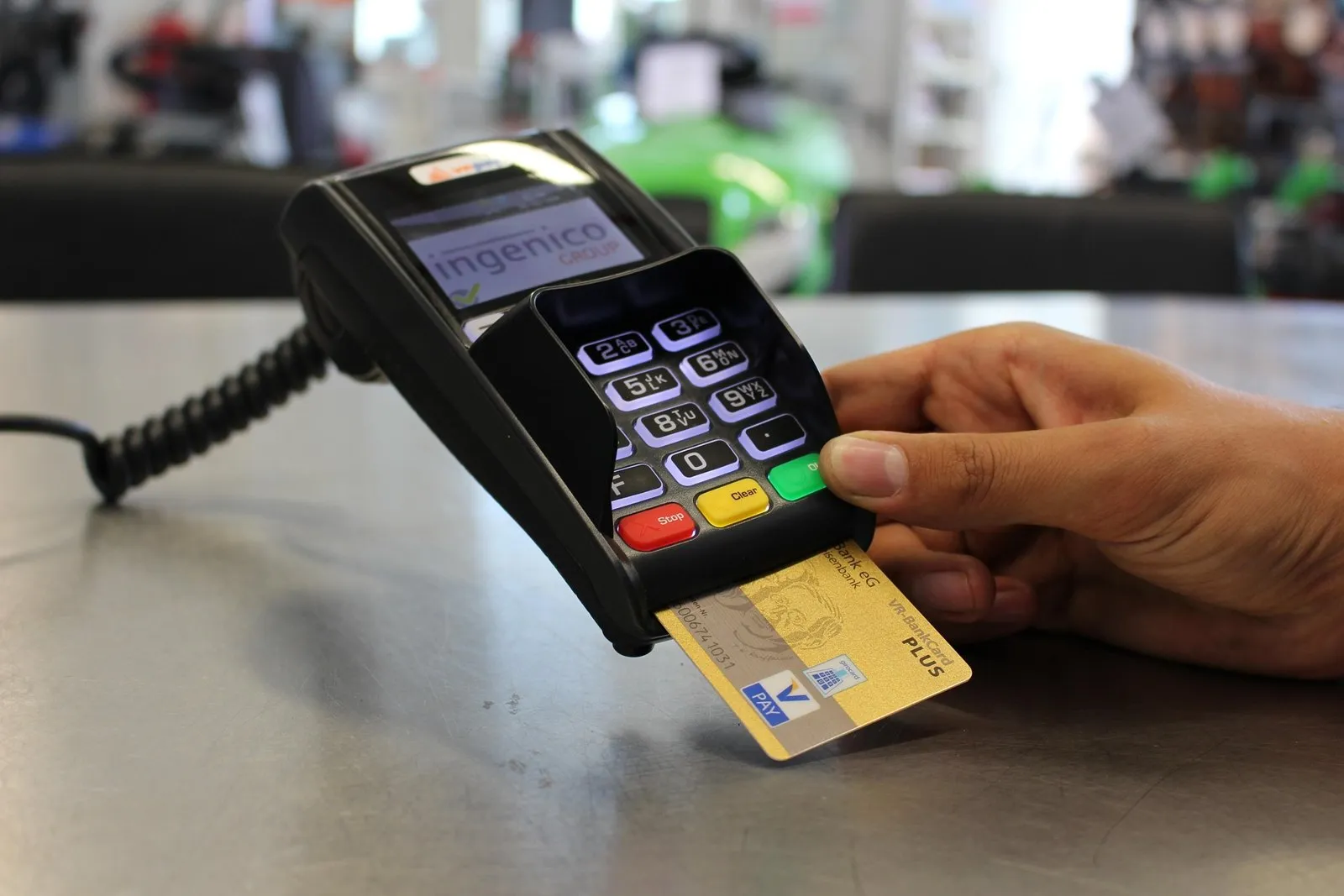
Ten ways to slice the market
Each hub compares only the cards that fit that need, with its own tables, examples and pitfalls.
 Visa cardsWhich Visa programmes accept crypto top-ups and who issues them.
 Mastercard cardsBybit, Nexo, MetaMask, OKX and the Mastercard rules behind them.
 Virtual cardsInstant cards for online shopping and mobile wallets.
 Physical cardsPlastic vs metal, shipping countries and ATM access.
 Stablecoin cardsSpend USDT, USDC or EURe at any card terminal.
 No-KYC cardsThe legal limits behind “anonymous” cards, and safer options.
 Self-custody cardsKeep your keys until the moment you pay.
 Cashback cardsReward rates after caps, staking and token payouts.
 Apple Pay & Google PayWhich cards load into your phone wallet.
 Travel cardsFX margins, ATM allowances and hotel holds abroad.
The fee that matters is the one you don’t see
Pick a card, enter how you spend, and see the monthly cost in dollars, not marketing percentages.
Monthly cost of a crypto card
Card fees used (edit to compare)
- Top-up / buying$0
- Conversion$0
- Foreign exchange$0
- ATM$0
- Plan$0
Per year: $0
Estimate only. Presets use fees published by providers in October 2026; spreads, network fees and merchant surcharges are not included. Check the provider’s current fee page.
Card fees come in seven flavours: issuance, monthly or plan fees, top-up fees, the crypto conversion spread, foreign exchange, ATM charges and inactivity fees. Marketing usually leads with the one that is zero. The calculator above uses providers’ published numbers, and the pattern is clear. For someone who spends mostly at home, the conversion spread dominates. For a traveller, FX decides everything. A 2% FX fee on €500 of holiday spending costs more than most cards’ annual fee.
Three numbers from our research show the spread. Nexo charges 0.2% FX on weekdays in the EEA and UK but 0.7% at weekends. Crypto.com’s US prepaid card charges 3% FX on its three lower tiers and nothing on the top tiers. Bleap and OKX advertise no FX or conversion fees for EU users, with OKX taking a 0.1% spread. Our full fee guide covers every line, and the limits guide shows how KYC tiers cap your spending.
Prepaid cards and crypto, in both directions
Half of our readers want to spend crypto with a card. The other half want to buy crypto with a prepaid card they already have. Both are covered.
 Use a prepaid card to buy cryptoWhere it works, why 3-D Secure and billing checks fail, and the fix.Read guide
 Visa gift cards and Vanilla cardsMost exchanges refuse them. Here are the narrow exceptions.Read guide
 Exchanges that accept prepaid cardsOfficial policies from Coinbase, Paybis, Ramp, Banxa and more.Read guide
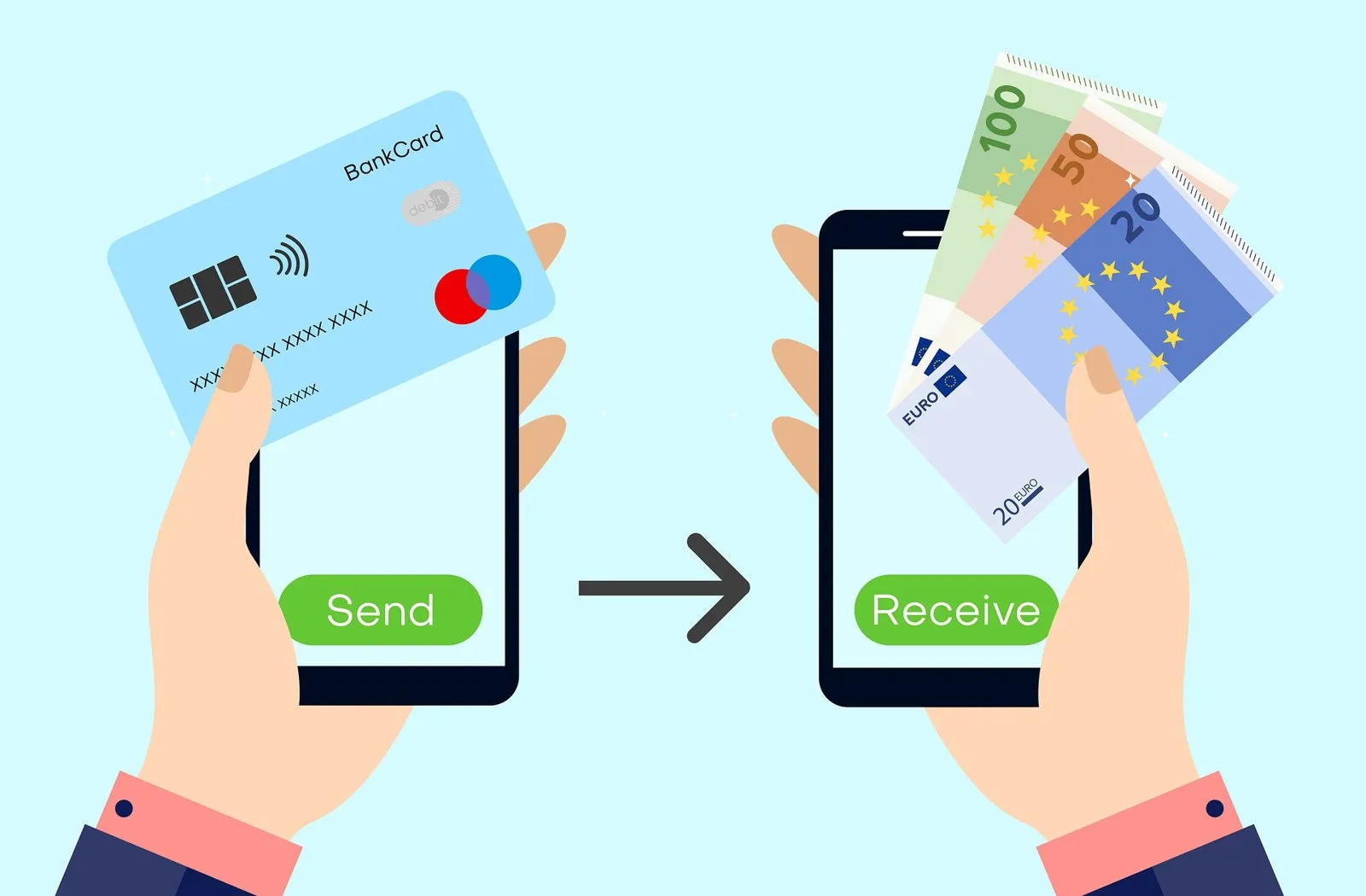 Turn crypto into a prepaid VisaBitrefill, Coinsbee and Laso: limits, regions and fees.Read guide
One honest warning before you try: prepaid and gift cards fail at most exchanges. Coinbase’s help centre states that it doesn’t support prepaid, reloadable, secured or business cards. Ramp, Banxa and Mercuryo say the same. Visa’s merchant rules code crypto purchases as quasi-cash, which lets banks block them easily. Paybis accepts prepaid cards only if they support 3-D Secure. A personal debit card or a bank transfer is almost always cheaper and more reliable. Once you own the crypto, loading it onto a card takes minutes.
Buy BTC, ETH or USDT with a debit card, Apple Pay or bank transfer on an exchange running since 2013.
Buy cryptoAvailability changes at every border
The same card can be prepaid in Peru, credit-style in Australia and unavailable in India. Our country guides separate official rules from provider policy.
What “safe” means for a crypto card
The biggest risk with a crypto card is not hackers. It is the programme behind it disappearing. Card schemes depend on a chain of partners: issuer, processor, crypto provider and network. When one link breaks, cards stop working, sometimes with only weeks of notice. Before you load more than pocket money, check three things. Is the issuing institution named and licensed? Who holds your funds: the exchange, a prefunded card balance, or your own wallet? And what happens to your balance if the card ends? Our safety guide goes deeper, including 3-D Secure, phishing and scam “no-KYC” cards sold on Telegram.
Self-custody cards limit the damage. When the Solflare card was paused after its issuer wound down, users’ stablecoins were still in their own wallets. With custodial or prefunded cards, your balance is a claim on the provider. Regulators help here: the EU’s MiCA rules ended all transition periods on 1 July 2026, so any provider serving EU residents now needs full authorisation.
- Gnosis Pay winds down its consumer card
Users are asked to move to partner apps such as Rebind.
- Cypher cancels all cards
After its acquisition by Nium; platform shut on 6 September.
- Solflare card paused
Issuer Kulipa wound down; funds stayed in users’ wallets.
- CEX.IO card stops working
After Poland’s KNF withdrew its card partner’s authorisation.
- OKX Card launches in the EEA
Stablecoin Mastercard spending USDC and USDG.
- Binance Card returns to Brazil
Mastercard, Brazil-only on the official page.
Get your crypto from a platform with a track record
A card is only as good as the crypto you put on it. Most of our readers buy their first coins on a regular exchange, then move them to a card app or wallet. The exchange we link to throughout this site has run since 2013. It is registered with FinCEN as a money services business in the US, holds state money-transmitter licences in dozens of US jurisdictions, and is registered with the UK’s FCA under the anti-money-laundering rules. It accepts debit cards, Apple Pay, Google Pay and bank transfers, and states PCI DSS Level 1 compliance for card data.
Its coverage has limits, and we tell you where. It does not onboard residents of Canada or India, and it is not licensed in every US state (New York and California are not on its list). EEA visitors currently see a MiCA service notice, and the exchange says its promotional content is not aimed at UK users. On the country pages concerned you will find a clear availability note next to the button.
Check availability in your country before signing up · takes about 5 minutes
Everything else you’ll want to know
Plain-English explainers, each checked against official sources: regulators, tax authorities and card networks.
- 01What is a crypto prepaid card?A crypto prepaid card converts your coins into fiat so you can pay anywhere Visa or Mastercard is accepted. Here is how the money actually moves, step by step.
- 02Debit vs prepaid vs creditCrypto debit vs prepaid card: the real differences in funding, custody, fees, rewards and protection, plus where crypto credit cards fit in.
- 03How to load a cardEvery way to top up a crypto prepaid card: on-chain deposits, exchange balances, bank transfers and cards, with the fees and timing of each method.
- 04Fees calculatorIssuance, monthly, FX, conversion spread, ATM, top-up and inactivity fees on crypto prepaid cards, plus a calculator that shows what you really pay.
- 05LimitsDaily, monthly and yearly limits on crypto prepaid cards: how KYC tiers change them, the biggest and smallest caps, and how to raise yours safely.
- 06Supported coinsSupported cryptocurrencies on prepaid cards: BTC, ETH, USDT, USDC, SOL and more. Which cards accept which coins and chains, and how conversion works.
- 07ATM withdrawalsHow ATM withdrawals with crypto cards work: free allowances, percentage fees, operator surcharges, daily caps and which cards are cheapest for cash.
- 08TaxesPaying with a crypto card usually counts as a disposal. How tax authorities treat card spending, cashback, staking rewards and gift cards, country by country.
- 09SafetyCustodial vs non-custodial cards, issuer shutdowns, frozen balances, 3-D Secure and scam cards: how to judge whether a crypto prepaid card is safe.
- 10NewsVerified crypto prepaid card news: new launches, regional exits, issuer shutdowns and fee changes from Visa, Mastercard and the main card providers.
Crypto prepaid cards: quick answers
What is the best crypto prepaid card right now?
Is a crypto prepaid card the same as a crypto debit card?
Can I get a crypto prepaid card with no KYC?
Do I pay tax when I spend crypto with a card?
Which crypto cards have closed recently?
Information on this page was checked against providers’ official pages in October 2026. Card terms change frequently, so always confirm the current fees, limits and availability with the provider before you apply. This is not financial advice.