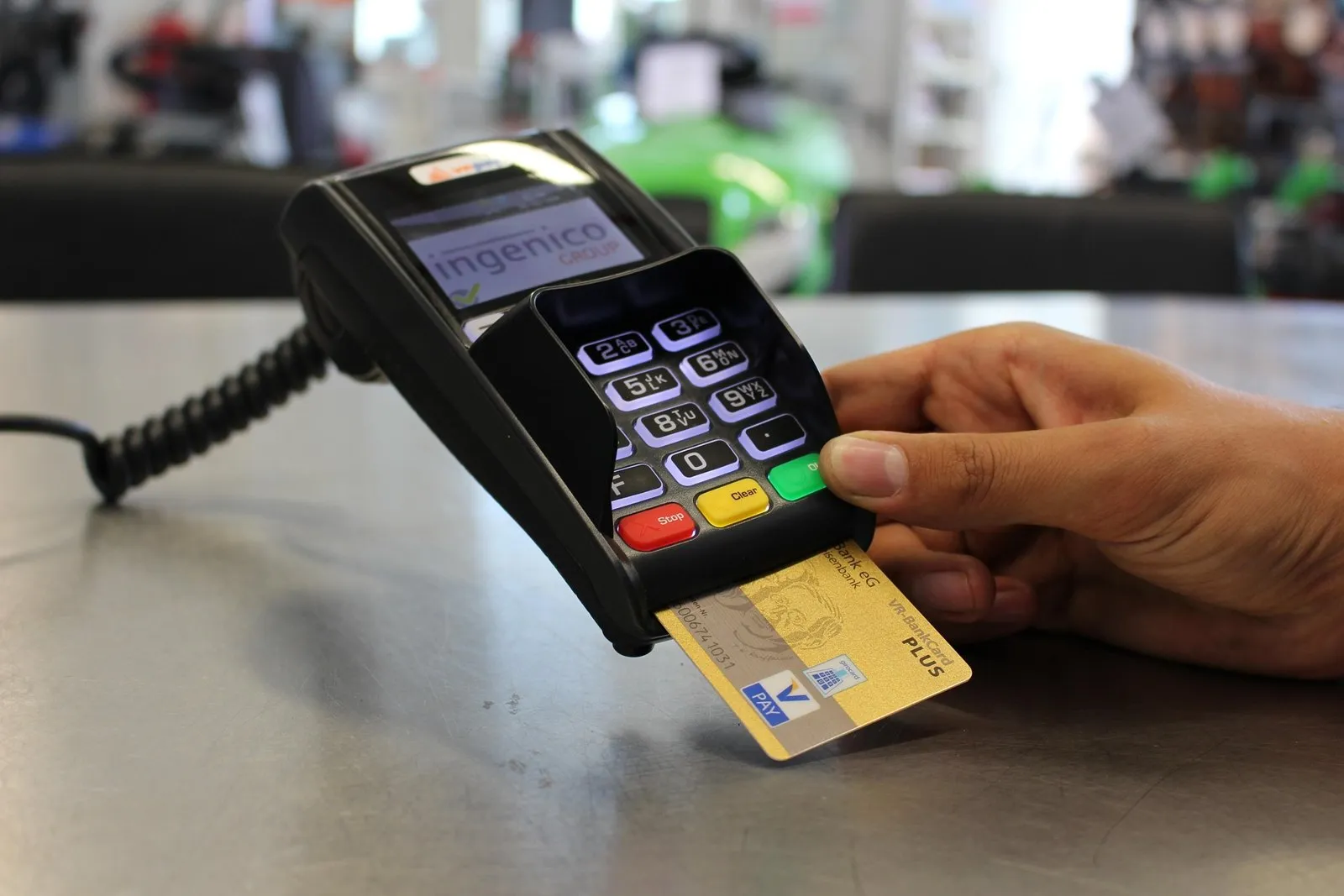
A physical crypto card is the version you can put in your wallet: a plastic or metal card with a chip, a PIN and the same number as your virtual card, or a new one. Almost every provider now starts you on a virtual card and treats plastic as an upgrade. That makes sense if you only shop online. But the moment you need cash from an ATM, pay at a terminal that doesn’t take phones, or hand a card over at a hotel desk, plastic still matters. This page compares what physical cards cost, when metal is worth it, and the conditions some providers attach before they will post you anything.
If you are still deciding whether you need plastic at all, our hub on virtual crypto cards covers the online-only side. Many readers end up with both: a virtual card for online shopping and a physical one for travel and cash.
Why get a physical prepaid crypto card
A physical prepaid crypto card does three things a virtual card usually can’t. First, it works at ATMs. SolCard’s virtual card, for example, is online only, so cash withdrawals need its Platinum plastic card. Second, it works at older terminals and in places where phone payments are patchy. Third, it gives you a backup when your phone is lost or out of battery, which matters more than people expect on a trip.
Physical cards also tend to come with the provider’s better tiers. Crypto.com’s higher tiers are metal cards. MetaMask’s Metal tier raises the daily spending limit from $15,000 to $30,000 and the daily ATM limit from $1,000 to $5,000. In other words, plastic often comes with a different fee schedule as well.
Physical card issuance fees compared
Issuance fees range from free to $100, and some providers charge again when you replace or cancel a card. The table shows the published figures for each provider’s entry-level physical card and its premium version, where one exists.
| Card | Plastic | Metal / premium | Condition |
|---|---|---|---|
| Crypto.com (US) | $4.99 (Midnight Blue) | $29.99 (Ruby), metal reissue $50 | Ruby fee waived for annual subscribers or stakers |
| Bybit (non-EEA) | $0–$29.99 by region | — | APAC needs Tier 2+ KYC |
| Uphold | $4.99 (Essential) | $0 metal (Elite, $99.99/yr) | Not LA, NY or US territories |
| MetaMask | — | Metal $199/yr | US/UK sign-ups paused |
| Nexo | Free shipping | — | $5,000+ balance and Gold tier |
| RedotPay | $100 | — | ID verification |
| SpectroCoin | €5 | — | Max 2 physical cards |
| SolCard Platinum | Free | — | Top-up 0%, FX 0–1.5% |
Some smaller costs are easy to miss. Crypto.com US charges $7 to reissue a Midnight Blue card. Binance charges 30 BRL if you cancel a physical card within its first year in Brazil, and nothing after that. Bybit’s physical card costs $29.99 in Australia, 29.99 USDT in Georgia, $5 in Argentina and 5 USDT in Asia Pacific. ether.fi’s physical card is reported to cost between $0 and $100 depending on tier. A few self-custody cards charge a one-off fee instead. Tria, for example, is reported to charge $109 for its Signature card and $250 for Premium.
Metal crypto cards: when they are worth it
A metal crypto card is heavier, looks better and is harder to bend. None of that saves you money. What can save you money is the tier that comes with the card. The question is never “is metal worth it?” but “is this tier worth it for how I spend?”
What we like
- Usually bundled with lower FX or free ATM withdrawals
- Higher daily spending and ATM limits
- Better cashback rates on premium tiers
- More durable than plastic
Watch out for
- Annual fees, subscriptions or large token stakes
- Replacement can be costly ($50 for a Crypto.com metal reissue)
- Cashback is often capped monthly
- No extra protection for your balance
Here is a worked example using Uphold, which publishes both options clearly. The Essential plan has no annual fee, but the plastic card costs $4.99, each ATM withdrawal costs $2.95 and FX costs 1.5%. The Elite plan costs $99.99 a year, includes a metal card for free and charges nothing for FX or ATM use. Take out cash four times a month on Essential and you pay $141.60 a year in ATM fees alone, more than the Elite fee. Add $2,000 of foreign spending at 1.5% and Essential costs another $30. For someone who never uses an ATM and stays at home, Essential is the better choice.
The same logic applies to Crypto.com, where the metal tiers require a monthly subscription or a 12-month CRO stake. In the EEA that ranges from €3.99 a month for Ruby Steel up to a €450,000 stake for Obsidian. And it applies to MetaMask Metal: $199 a year makes sense if the 3% mUSD cashback on up to $10,000 and the higher limits get real use. Our crypto cashback cards page tests those rewards against their caps.
We rarely recommend paying for a card just to get metal. In our experience the right order is to work out your yearly foreign spending and ATM use first, price the tiers against those numbers, and only then look at the card material. If the premium tier wins on fees, the metal card is a free bonus. If it doesn’t, plastic does exactly the same job at the till.
Crypto card delivery: what we could and couldn’t confirm
Delivery is the part of the physical card experience that providers say least about. None of the official pages we checked publish a guaranteed delivery time, so we won’t quote one. What they do publish is where they ship and how activation works.
Shipping and delivery facts from official pages
- Crypto.com
- Virtual card first; physical card requested in the app
- Nexo
- Free shipping, once balance and tier conditions are met
- OKX
- Physical card activated in the app after it arrives
- Bitget Card
- Free issuance and worldwide delivery for VIP users
- Bitget Wallet Card
- Physical cards in SG, KR, JP, VN, MY, TW, AU, TH and PH
- ether.fi Cash
- No physical card for residents of Belgium and Ireland
- Bybit (EEA)
- Virtual card instantly, physical card on request
- SpectroCoin
- Up to 2 physical and 10 virtual cards per account
Two practical points follow from this. Plan ahead if you need the card for a trip, because you can’t count on a specific arrival date. And spend with the virtual card in the meantime: most providers issue it straight away, and it can usually go into Apple Pay or Google Pay for in-store payments. If a card is “unavailable for new orders”, as an aggregator reports for the PlasBit card, treat that as a warning about the programme’s future, not just a shipping delay.
ATM access on physical crypto cards
Free monthly allowances range from nothing to €2,000. Above them, most cards charge around 2%, and the ATM operator may add its own fee.
ATM terms vary more than any other fee. Nexo gives the most generous free allowance: €200 a month on Base, €400 on Silver, €1,000 on Gold and €2,000 on Platinum, then 2% with a €1.99 minimum. Crypto.com’s EEA allowances run from €200 to €1,000 a month by tier, with a €10,000 monthly cap. Bybit charges 2% once you have used your free monthly allowance, which is USD 100 where it is priced in dollars. RedotPay charges 2% on withdrawals up to $10,000 a month and 3% above that. SpectroCoin charges €1 per withdrawal in the EEA in euros, with a €2,500 daily cap. ether.fi allows up to $1,000 per withdrawal and five a day.
Daily caps matter as much as fees when you travel. MetaMask’s virtual card allows $1,000 a day, while Metal raises that to $5,000. Binance in Brazil allows 3,000 BRL a day and three withdrawals. Our guide to crypto card ATM withdrawals covers operator surcharges and tips for keeping costs down, and our limits guide lists caps by tier.
Hidden requirements before a card is shipped
Some providers set conditions that only show up when you try to order plastic. Nexo issues a virtual card once you hold at least $50, but the physical card needs a balance above $5,000 and the Gold loyalty tier. Bybit requires Tier 2 verification or higher before it ships a physical card in Asia Pacific. MetaMask has paused new sign-ups in the US and UK, so residents there can’t get either version for now. ether.fi doesn’t ship physical cards to Belgium or Ireland at all.
Closures show why this matters. The CEX.IO card stopped working on 3 February 2026 after Poland’s regulator withdrew the authorisation of its issuing partner. Cypher cancelled all of its cards on 8 August 2026 after being acquired, and shut its platform a month later. The BitPay prepaid Mastercard ended in June 2023, with balances refunded by cheque. In each case, cardholders were left with a card that looked fine in a wallet but no longer worked at any terminal. So keep only what you plan to spend on the card, and act quickly when a provider announces changes. Our crypto card news page tracks these events as they happen.
Lost, stolen or expired cards
A physical card can be lost, which a virtual one can’t. If your app has a freeze option, use it first, then contact support. Replacement is where costs differ, and few providers publish them. Crypto.com US is one that does: $7 to reissue a Midnight Blue card and $50 for a metal one. Binance in Brazil charges 30 BRL if you cancel a physical card within its first year. SpectroCoin limits each account to two physical cards, so a lost card counts against that cap until it is cancelled. For the others, we could not find a published replacement fee, so ask support before you order. It is also worth keeping your delivery address in the app up to date, because a replacement or renewed card will go to whatever address is on file.
Choosing the right physical crypto card
Start with your cash habits and your travel. If you withdraw cash often, look first at Nexo’s tiered allowances in Europe, or at Uphold Elite in the US, where ATM use and FX are free. If you mostly pay at terminals and want low running costs, a free plastic card from Bybit in Brazil or Mexico, or SolCard’s Platinum card, keeps upfront costs at zero. If you hold stablecoins and want custody of your own funds, MetaMask Metal is the premium option, provided you live in a country where sign-ups are open.
Whichever you pick, get the virtual card working first, then order plastic once you know the provider suits you. Paying $100 for a physical card from a provider you have never used is a bigger risk than waiting a week. For spending abroad, read our page on crypto cards for travel, which compares FX and hotel holds. Australian readers can check local plastic options in our Australia guide.
Frequently asked questions
How long does crypto card delivery take?
Is a metal crypto card worth it?
Do I need a physical crypto card to withdraw cash?
Which physical crypto card is cheapest to get?
Can I get a physical prepaid crypto card with no ID?
Sources and official pages
- Crypto.com Help — Prepaid Visa fees and limits (US)
- Bybit Help — fees and spending limits by region
- Nexo — Nexo Card requirements and ATM allowances
- MetaMask — MetaMask Card and Metal tier
- Uphold — Debit card plans
- RedotPay Help — card fees
- SpectroCoin — card fees and limits
- ether.fi Help — availability and physical cards
Load your card with crypto you own
Buy Bitcoin, Ether or stablecoins with a bank card, Apple Pay or bank transfer, then move them to the card or wallet you choose.
Open accountExchange running since 2013 · registered with FinCEN (US) and the FCA (UK) · card, Apple Pay or bank transfer