A virtual prepaid card for crypto is the fastest route from coins to an online checkout. There is no plastic and no postal delay. Once your identity check clears, a card number appears in the app, ready to paste into a shop’s payment form or add to your phone wallet. For people who mostly spend online, a virtual crypto card can be all they ever need. For others it is a useful second card, kept separate from their main balance. This page explains which virtual cards work best for online purchases, what they cost once the small print is added, and the situations where they let you down.
What a virtual crypto card actually is
A virtual card is a normal Visa or Mastercard account that exists only as data: a 16-digit number, an expiry date and a security code. It runs on the same rails as a plastic card. Most crypto cards start as virtual and offer plastic as an optional extra. Crypto.com issues the virtual card first and lets you order a physical one in the app. Bybit does the same in the EEA, and Uphold’s virtual card is free on both its plans.
The word “virtual” covers two very different products, though. The first is a reloadable account card: a full crypto card that simply has no plastic yet. KAST, RedotPay, SpectroCoin and MetaMask belong here. The second is a single-load card: you pay crypto for a fixed amount, use it up and discard it. Bitrefill’s US Digital Prepaid Visa and Laso Finance’s USA card work this way. Single-load cards are closer to gift cards, and the rules that apply to them are very different. Our page on how to buy a prepaid card with crypto covers that market in depth.
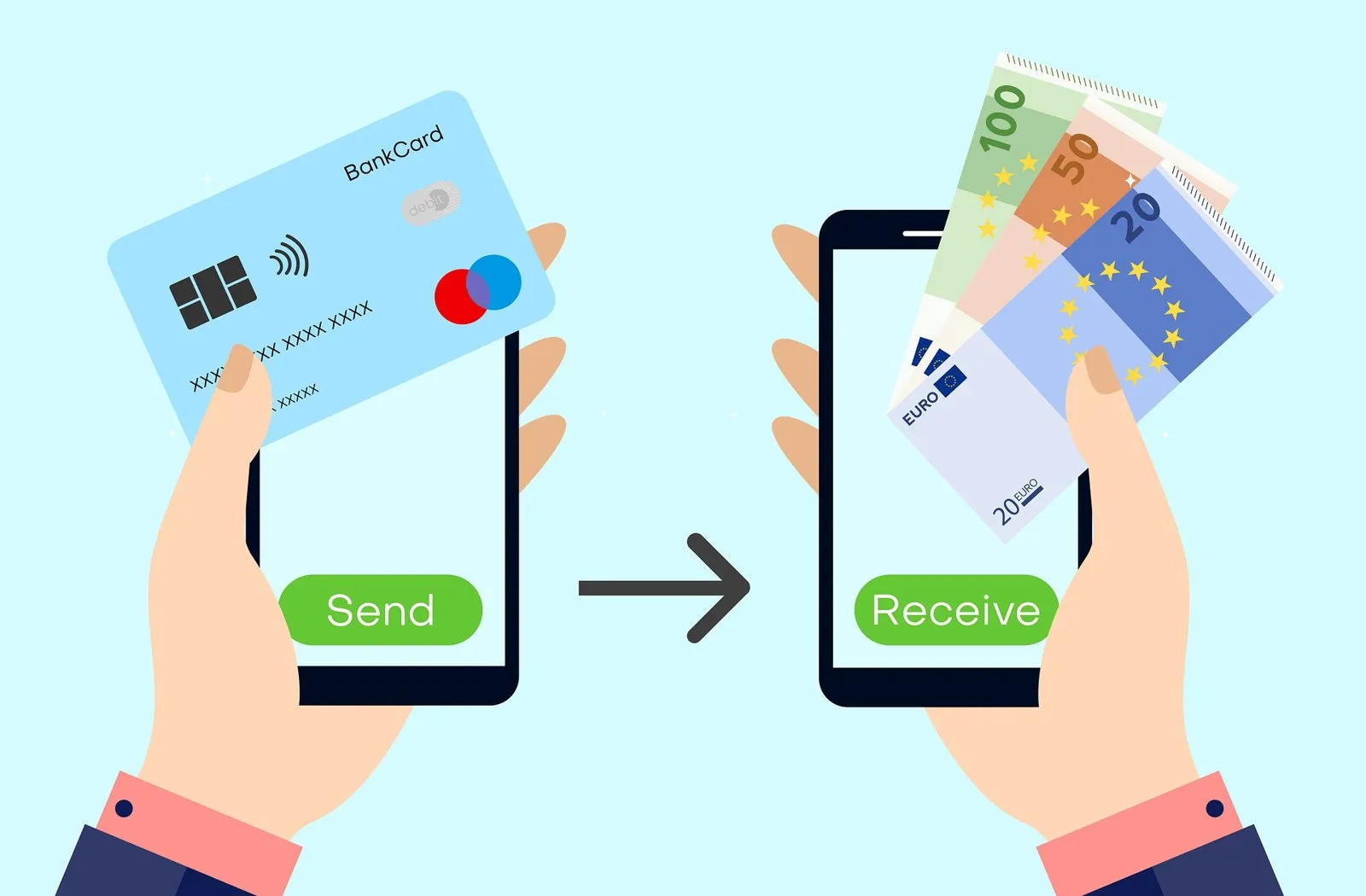
A virtual card is issued as soon as verification clears. In most card apps it can be frozen or replaced on the spot, with no wait for a new card in the post.
The best prepaid crypto card for online purchases
There is no single best prepaid crypto card for online purchases, because the answer depends on whether you want a long-term card or a one-off spend. The matrix compares five virtual options on the features that matter most at an online checkout.
Virtual card features, October 2026. SolCard’s virtual card is online only; ATM access needs its Platinum card.
● yes ◐ partly / some regions ○ no
For a long-term online card, KAST is our first choice in most countries. The Standard tier is free, runs on Visa, covers more than 170 countries and works with Apple Pay and Google Pay. FX costs 0.5–1.75%, depending on where you live and where the merchant is. RedotPay is the main alternative, especially in Asia, Latin America and the Gulf. Its virtual card costs $10, and it charges 1% on crypto conversion and 1.2% FX on non-card currencies. Readers torn between the two can read our RedotPay vs KAST comparison.
For a single purchase at a US shop, a single-load card can make sense. Bitrefill’s Digital Prepaid Visa, issued by Sutton Bank, comes in amounts from $20 to $1,000 and asks only for the cardholder’s name. It works only at US merchants, is capped at $1,000 per customer every seven days, and cannot be used for subscriptions or money-transfer apps. Laso Finance sells single-load USA cards from $5 to $1,000 with no fee, funded with USDC. Its international card costs 3.8% and is fulfilled manually.
Cards we would treat with caution. SolCard issues virtual cards for free, but each top-up of a new virtual card costs 5% plus $10. It also cut off unverified virtual cards in the past and asked users to verify to regain access. Moon is virtual only and popular with Lightning users, but published fee data conflicts and users reported card cancellations and unresolved refunds in December 2025.
Self-custody virtual cards. If you would rather keep coins in your own wallet until you pay, the MetaMask Card’s virtual version is free and allows up to $15,000 of spending a day. It takes tokens such as USDC, USDT and mUSD on Linea, Base, Monad and Solana at the moment of purchase. New sign-ups in the US and UK are temporarily closed, though. MoonPay’s MoonAgents Card is another virtual-only Mastercard that spends stablecoins from self-custody wallets, but it is aimed at developers and AI agents and is live only in the UK and Latin America. Our self-custody cards hub compares both.
What virtual crypto cards really cost
Virtual cards look cheap because issuance is often free. The real cost usually sits in top-ups, conversion and FX. The table below shows the main fees for the virtual card itself, using each provider’s published figures.
| Card | Virtual card | Main usage cost | Limit |
|---|---|---|---|
| KAST Standard | Free | FX 0.5–1.75% | n/d for online spend |
| RedotPay | $10 | 1% conversion, 1.2% FX | ATM 2% to $10k/mo |
| SolCard Virtual | Free | 5% + $10 top-up, FX 1–2% | $5,000/month |
| MetaMask | Free | Mastercard rate, no MetaMask fee | $15,000/day |
| SpectroCoin | €1 + €1/month | POS in EEA (EUR) free | €25,000/day, up to 10 virtual cards |
| Laso (US / intl) | 0% / 3.8% | Single load | $1,000 on card |
A quick example shows how quickly a “free” card can become expensive. Say you want to make a $200 online purchase. Topping up a new SolCard virtual card with $200 costs 5% plus $10, which comes to $20, or 10% of the purchase before FX. On RedotPay, the $10 card fee is paid once. After that, the same $200 costs about $2 in conversion, plus 1.2% if the shop charges in a currency your card doesn’t hold. Spread across a year of shopping, RedotPay’s one-off fee fades into the background, while SolCard’s per-top-up charge does not. Use our fee calculator to run your own numbers, and check the caps in our crypto card limits guide.
We keep two virtual cards for testing: one main reloadable card and a second one holding only small amounts for unfamiliar shops and free trials. If the second number leaks, we freeze it and lose a few dollars at most. That habit costs nothing on cards with free issuance, and it is the single most useful thing a virtual card offers that plastic does not.
Setting up a virtual crypto card
The steps are much the same across providers. Expect the identity check to take the longest.
- 01Choose a card that accepts your country
Check the provider’s eligible-country list before downloading anything. Many cards exclude the US or India.
- 02Verify your identity
Most reloadable cards need an ID document and a selfie, and some ask for proof of address. RedotPay reportedly issues the card 5–10 minutes after this step.
- 03Fund the account
Send stablecoins or crypto to the app, or top up from a bank. Nexo only shows its virtual card once you hold $50 or more.
- 04Add the card to your wallet
Copy the number into the shop’s checkout, or add it to Apple Pay or Google Pay for contactless payments in store.
Adding the card to a phone wallet turns a virtual card into something you can tap at a terminal, which closes much of the gap with plastic. Not every card supports it: Moon, for example, is reported to have no Apple Pay or Google Pay support. Our page on crypto cards with Apple Pay and Google Pay lists which ones load into which wallet.
Why online payments with virtual cards fail
Virtual cards get declined online more often than you might expect. There are three usual causes. The first is the merchant: many subscription services, car-rental firms, hotels and payment apps reject prepaid or gift card numbers. The second is 3-D Secure, the check that sends a one-time code or app prompt to confirm your identity. A card with no registered phone or app often can’t complete it. The third is the billing address. Gift-style cards have no address on file, so shops that check it may refuse them.
Regulation adds another limit in Europe. Under the EU’s fifth anti-money-laundering directive, anonymous prepaid e-money can only skip identity checks for remote payments up to €50 per transaction. In practice, any “no-KYC” virtual card used online in the EU is capped at €50 a payment and €150 stored. Our no-KYC cards guide explains what is really on offer.
Can you buy crypto with a virtual Visa card?
This question comes up in two forms, and the answers differ. If you mean a virtual debit or credit card from your bank or fintech app, many exchanges accept it. CEX.IO, an exchange that has been running since 2013, states that both physical and virtual Visa and Mastercard cards are accepted, as long as they are personal cards in your name. Paybis accepts virtual cards too, but recommends a physical card because extra checks may ask for a photo of it. MoonPay may ask for an app screenshot showing the virtual card number during verification.
If you mean a virtual prepaid card, expect trouble. Ramp and Banxa reject prepaid cards outright. Mercuryo says some prepaid, virtual or corporate cards may not be supported. CEX.IO says using a prepaid card is technically possible, but most such transactions fail, and it advises using a debit or credit card instead. Paybis accepts prepaid cards only if they support 3-D Secure. The full provider-by-provider list is on our page about exchanges that accept prepaid cards, and the step-by-step is in our guide to buying crypto with a prepaid card.
When a virtual card is not enough
Virtual cards cover online shopping and, through a phone wallet, most in-store payments. They fall short in three places. You can’t withdraw cash with most of them: SolCard’s virtual card is online only, and single-load cards from Bitrefill and Laso don’t work at ATMs. Some terminals, especially abroad, don’t take contactless phone payments. And a few services, such as car hire desks, may want to see a physical card.
If any of those apply to you, order plastic as well. Most providers let you add it later without changing your account. Our hub on physical crypto cards compares plastic and metal options, issuance fees and ATM access. For many readers the best setup is a free virtual card for online use, plus one physical card for cash and travel.
Frequently asked questions
How fast can I get a virtual crypto card?
Can I buy crypto with a virtual Visa card?
Can I use a virtual crypto card for subscriptions?
Is a virtual crypto card safer for online shopping?
Can I withdraw cash with a virtual crypto card?
Sources and official pages
- RedotPay Help — card fees
- SolCard — virtual and Platinum card terms
- Laso Finance — USA and international prepaid cards
- Bitrefill — Digital Prepaid Visa (USA)
- KAST — tiers and features
- CEX.IO Support — payment card verification guide
- Paybis Support — credit and debit card rules
- EUR-Lex — Directive (EU) 2018/843 (AMLD5)
Load your card with crypto you own
Buy Bitcoin, Ether or stablecoins with a bank card, Apple Pay or bank transfer, then move them to the card or wallet you choose.
Open accountExchange running since 2013 · registered with FinCEN (US) and the FCA (UK) · card, Apple Pay or bank transfer