Finding a crypto prepaid card in Canada is easier than it was a few years ago, but the shortlist is still short. Most of the big global exchange cards are aimed at Europe, the US or Asia, and several have left Canada altogether. What remains is a small group of cards that spend Canadian dollars and are issued through Canadian institutions. In this guide we cover the two prepaid Visa cards we could confirm on provider pages in October 2026, the self-custody alternative, and the rules from FINTRAC, the Canadian Securities Administrators and the CRA that sit around them.
Canada splits crypto oversight in an unusual way. FINTRAC handles anti-money-laundering registration at the federal level. Provincial securities regulators, coordinated through the CSA, decide how trading platforms may operate. Stablecoins now have their own federal law on the way. We label each point as an official rule (law or CRA guidance), a regulator position (a CSA staff notice or statement), a provider rule (a company’s terms) or market practice, because they carry very different weight.
Crypto cards Canadians can get today
Shakepay Card. Shakepay describes its card as a Visa Prepaid card issued by Peoples Trust Company and available in all provinces and territories. You fund it in Canadian dollars by Interac e-Transfer, and purchases earn up to 1.5% back in bitcoin. Shakepay says there is no annual fee and no credit check, and that Apple Pay and Google Pay work where available. A market source cites a 3% fee on foreign-currency purchases, but we could not find that number on shakepay.com, so treat it as unconfirmed until you see it in the app.
Crypto.com Visa (Canada). Crypto.com’s Canadian page says its prepaid Visa cards are issued by Digital Commerce Bank and offered by Foris, Inc. The card is billed in CAD only. You can top it up from more than 100 cryptocurrencies or from your Cash wallet, but money loaded onto the card cannot be moved back to Cash. It uses the same tier ladder as elsewhere, priced in Canadian dollars, and the full detail is in our Crypto.com Card review.
MetaMask Card. MetaMask’s support pages list Canada as a supported country. This is a Mastercard that spends stablecoins or tokens straight from your own wallet, so nothing sits with an exchange until the moment you pay. It is not a prepaid card, and it suits people already comfortable with self-custody. Our MetaMask Card review covers chains, limits and the Metal tier.
Crypto.com Card
ActiveA true prepaid Visa with wide regional coverage
- Card fee
- Free (Midnight Blue)
- Plan
- €0–€24.99 (Level Up)
- Custody
- Custodial
MetaMask Card
Limited regionsDeFi users who never want to leave their wallet
- Card fee
- Virtual free; Metal $199/yr
- Plan
- None
- Custody
- Self-custody
Beyond those three, the picture gets thin. RedotPay’s own list of unsupported countries does not include Canada, so the provider does not exclude Canadians, but we have not confirmed the details of its Canadian service. KAST is reported by review sites to accept Canadians, which we could not confirm on kast.xyz. Laso Finance has a Canadian card page, but we found no details on it. Wirex does not serve Canada, and we found no Newton card. The Coinbase Card is US-only, the Binance Card is Brazil-only, and Canada does not appear among the regions in Bybit’s card FAQ. If you need a stablecoin option, compare the products on our stablecoin cards hub and check the country list in each app before you sign up.
Shakepay vs Crypto.com for Canadians
These two cards solve different problems. Shakepay is a dollar card that pays you in bitcoin. You load CAD, spend CAD, and the crypto arrives as a reward. Crypto.com works the other way round: you start with crypto in the app, convert some of it into a CAD card balance, and earn CRO back if you are on a paid or staked tier. The comparison below uses only what each provider publishes for Canada, plus one market figure flagged as unconfirmed.
Crypto.com’s higher tiers can also be reached by staking CRO for 12 months instead of paying a monthly fee: CA$650 for Ruby Steel, CA$6,500 for Jade Green or Royal Indigo, and CA$65,000 or CA$650,000 for the top metal cards. That is a large amount of money tied up in a single token. Our cashback cards guide shows why reward rates often look better on paper than after caps, and why a free tier with no lock-up is the safer default.
Interac and CAD funding
Interac e-Transfer is the standard way Canadians move dollars into a crypto app, and Shakepay is built around it. That matters for fees and for tax. When you load a card with dollars from your bank, no crypto changes hands, so there is nothing to report at the till. When a card is loaded by selling crypto, the sale is the taxable moment.
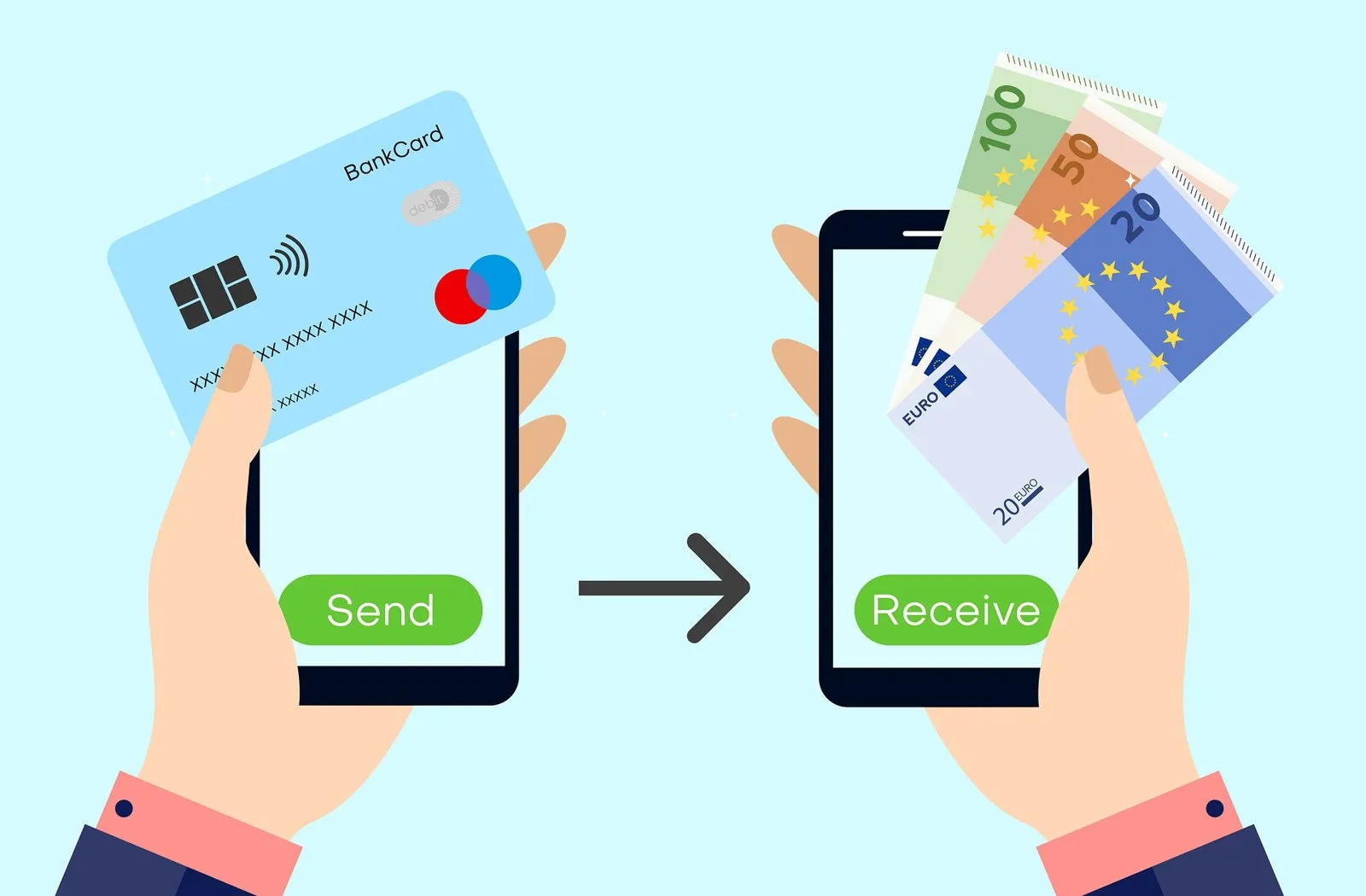
- Canadian bankSend CAD by Interac e-Transfer
- Card app balanceDollars land in the app (e.g. Shakepay)
- Prepaid VisaIssued by a Canadian institution
- Visa networkRoutes the purchase
- RewardBitcoin back on eligible spending
Crypto.com takes a different path. Its Canadian help article says the card is topped up from crypto or from the Cash wallet, in CAD only, and that loads are one-way. The monthly top-up limit is C$35,000 and ATM withdrawals are capped at C$15,000 a month. We could not confirm the free ATM allowance for each Canadian tier, so check the app before relying on cash withdrawals. For a wider view of loading methods and their costs, see how to load a crypto prepaid card.
FINTRAC, CSA undertakings and stablecoin limits
FINTRAC (official rule). Under the Proceeds of Crime (Money Laundering) and Terrorist Financing Act, dealers in virtual currency must register with FINTRAC as money services businesses. Foreign dealers that serve Canadians must register as foreign money services businesses. Registration brings identity checks, record keeping and reporting duties, which is why every card in this guide asks for ID.
CSA and provincial regulators (regulator position). Crypto trading platforms that serve Canadians must register as restricted dealers or investment dealers, or operate under a pre-registration undertaking while they apply. CSA Staff Notice 21-332, published in February 2023, set out what those undertakings contain. This is why many global exchanges have narrowed or ended their Canadian service. It also explains why the card shortlist is short: a card linked to an unregistered exchange account is hard to offer here.
Stablecoin limits (regulator position). CSA Staff Notice 21-333, from October 2023, says value-referenced crypto assets may be securities or derivatives. Platforms may offer fiat-backed stablecoins only if the issuer gives undertakings, keeps a reserve with a qualified custodian and publishes disclosures, with a deadline that was extended to 31 October 2024. In practice, this limits which stablecoins a registered platform can list. Later CSA updates exist, but we could not read their current text, and we could not confirm any per-client purchase limits for other crypto assets. Check your platform’s own disclosures.
Federal Stablecoin Act (official rule, not yet in force). The Stablecoin Act is part of Bill C-15, the Budget 2025 Implementation Act, No. 1, which received assent on 26 March 2026. It places duties on issuers of fiat-backed stablecoins made available in Canada and gives the Bank of Canada a public registry role. Regulations are being drafted over 12 to 18 months, and the regime is expected to take effect in 2027.
How the CRA taxes crypto card spending
The CRA’s guidance on crypto-asset transactions is direct: using crypto to buy goods or services is a disposition, in the same way as a barter trade. Gifts and donations of crypto are also dispositions. Each time a card sells crypto to pay for something, you have disposed of property and need to work out a gain or loss in Canadian dollars.
Whether that gain is a capital gain or business income depends on your situation, and the CRA page covers both. For most individual cardholders it will be capital. In that case you include half of the gain in income, at the 50% inclusion rate, and you can deduct half of capital losses, but only against taxable capital gains. A worked example: you bought C$1,000 of bitcoin, it rose to C$1,300, and you loaded all of it onto a Crypto.com card. That load is a disposition with a C$300 gain, and C$150 goes into your taxable income for the year.
Staking rewards are treated separately. The CRA says rewards from staking on a centralized platform are generally income at the time they are credited. That matters for Crypto.com users who stake CRO to reach a higher card tier. We found no CRA statement on airdrops or on crypto cashback from card spending, so how Shakepay’s bitcoin rewards are treated is not settled by published guidance. A sensible minimum is to record the CAD value of each reward when it arrives, so you know your cost if you later sell or spend it. Merchants who accept crypto must value it at fair market value for GST/HST, but that rule affects sellers, not you.
Do not borrow rules from other countries. The US, UK and Australia each treat card spending slightly differently, and Australia’s personal-use exemption has no Canadian equivalent in the CRA guidance we read. Our crypto card tax guide sets the countries side by side.
How to apply for a crypto card in Canada
- 01Pick the funding model first
Decide whether you want to spend dollars and earn crypto (Shakepay) or spend crypto you already hold (Crypto.com, MetaMask).
- 02Check the province
Shakepay lists all provinces and territories. For any other card, confirm Canada and your province in the app before depositing.
- 03Verify your identity
Expect government ID and address checks. These follow from FINTRAC registration, not from the card network.
- 04Fund in CAD
Send an Interac e-Transfer to Shakepay, or move crypto or Cash into the Crypto.com card in CAD.
- 05Keep a tax log
Export your history each quarter. Note every crypto load or spend and the CAD value of each reward.
For most Canadians we think Shakepay is the more honest everyday card. You spend dollars, so there is no tax event at the till, and the bitcoin reward is a bonus rather than a reason to hold a token. Crypto.com makes sense if you already keep crypto there and will stay on the free tier or pay monthly rather than lock up CRO. Whichever you choose, move your funds off any exchange that has announced a Canadian exit as early as you can. The CEX.IO case in 2023 showed how quickly a withdrawal window can narrow once regulators step in.
Tips for Canadian cardholders
Watch the currency. Both prepaid cards hold Canadian dollars. Cross-border shopping in US dollars triggers an FX charge on any card, and the exact rate was not published on the Canadian pages we checked. If you shop often in the US, test a small purchase and read the statement line before you rely on the card.
Keep cards and platforms in step. A card is only as available as the account behind it. If a platform changes its registration status with the CSA, its card may change too. We keep closures on our news page, and the safety guide explains how custodial and self-custody cards differ when something goes wrong.
Be careful with US gift cards. Crypto-bought prepaid Visas such as Bitrefill’s are restricted to US merchants and US residents, so they are not a workaround for Canadians. The USA guide explains how they work, and our countries map lists every other market we cover.
Frequently asked questions
What is the best crypto prepaid card in Canada?
Can I get a Coinbase Card or Binance Card in Canada?
Is spending crypto with a card taxable in Canada?
Are stablecoins restricted in Canada?
Sources and official pages
- Shakepay — Shakepay Card (Visa Prepaid, Peoples Trust Company)
- Crypto.com — Canada card page (issued by Digital Commerce Bank)
- Crypto.com Help — how to top up the Crypto.com Visa Card (Canada)
- CSA Staff Notice 21-333 — terms for trading value-referenced crypto assets
- Department of Finance Canada — Canada’s stablecoin framework
- CRA — Income from crypto-asset transactions
- CRA — Crypto-asset mining and staking activities
Fund your card through a registered platform
Canadian residents should buy crypto on a platform registered with the Canadian Securities Administrators, then move it to the card account they chose.
Get startedCheck availability in your country before signing up.The exchange linked here has not onboarded Canadian residents since July 2023. In Canada, use a platform registered with the Canadian Securities Administrators.